
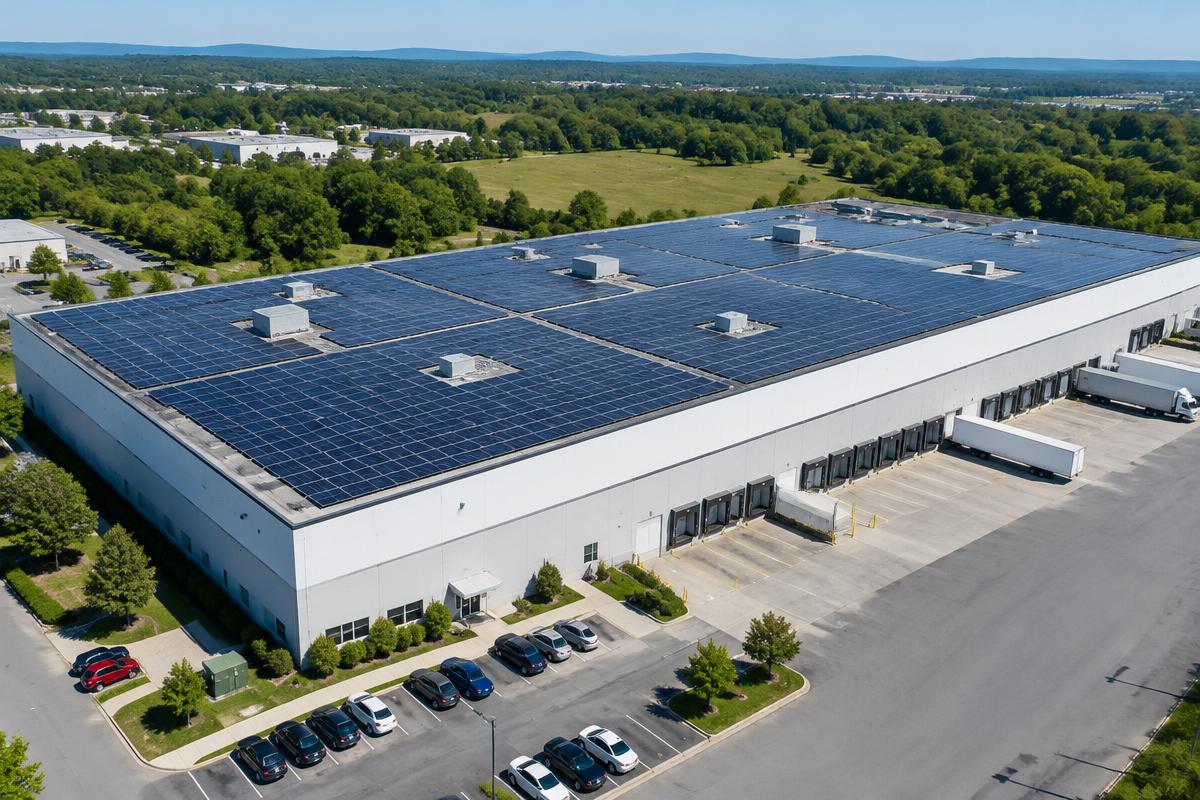
Commercial & nonprofit
Solar that works for your organization.
Businesses, farms, schools, houses of worship and nonprofits rely on us to plan projects that fit their electrical infrastructure and budget.
Feasibility Studies
Usage analysis, site review and preliminary sizing to decide whether solar makes sense.
Battery Design & Load Demand Reduction
Independent consulting on battery power and energy sizing, peak demand analysis, operating strategies and backup reserve requirements.
Incentive & Funding Review
Guidance on tax credits, direct-pay options for eligible nonprofits, and state programs — verified with your tax advisor.
Switchgear & Service Planning
Three-phase service, switchgear capacity and utility interconnection requirements reviewed early.
RFP & EPC Bid Review
RFP development, EPC bid review, owner's representation and milestone verification on your behalf.
Commissioning
Start-up testing and documentation to confirm the system matches design intent.
Leadership Advocacy & Audits
Board-ready summaries, leadership advocacy and performance audits of existing systems.
Commercial battery system design
Plan storage around your peak demand, not just your annual usage.
We consult on battery system design for businesses and nonprofits, determining potential load demand reduction from your facility's actual operating profile. Peak shaving uses stored energy during high-demand periods to reduce the power drawn from the utility; its value depends on when those peaks occur and how your utility bills demand.
Bring 12 months of utility bills, interval demand data if available, your rate schedule and critical-load requirements. Recommendations and savings estimates are site-specific; demand reduction is not the same as reducing total energy consumption, and savings are not guaranteed.
Request commercial battery consulting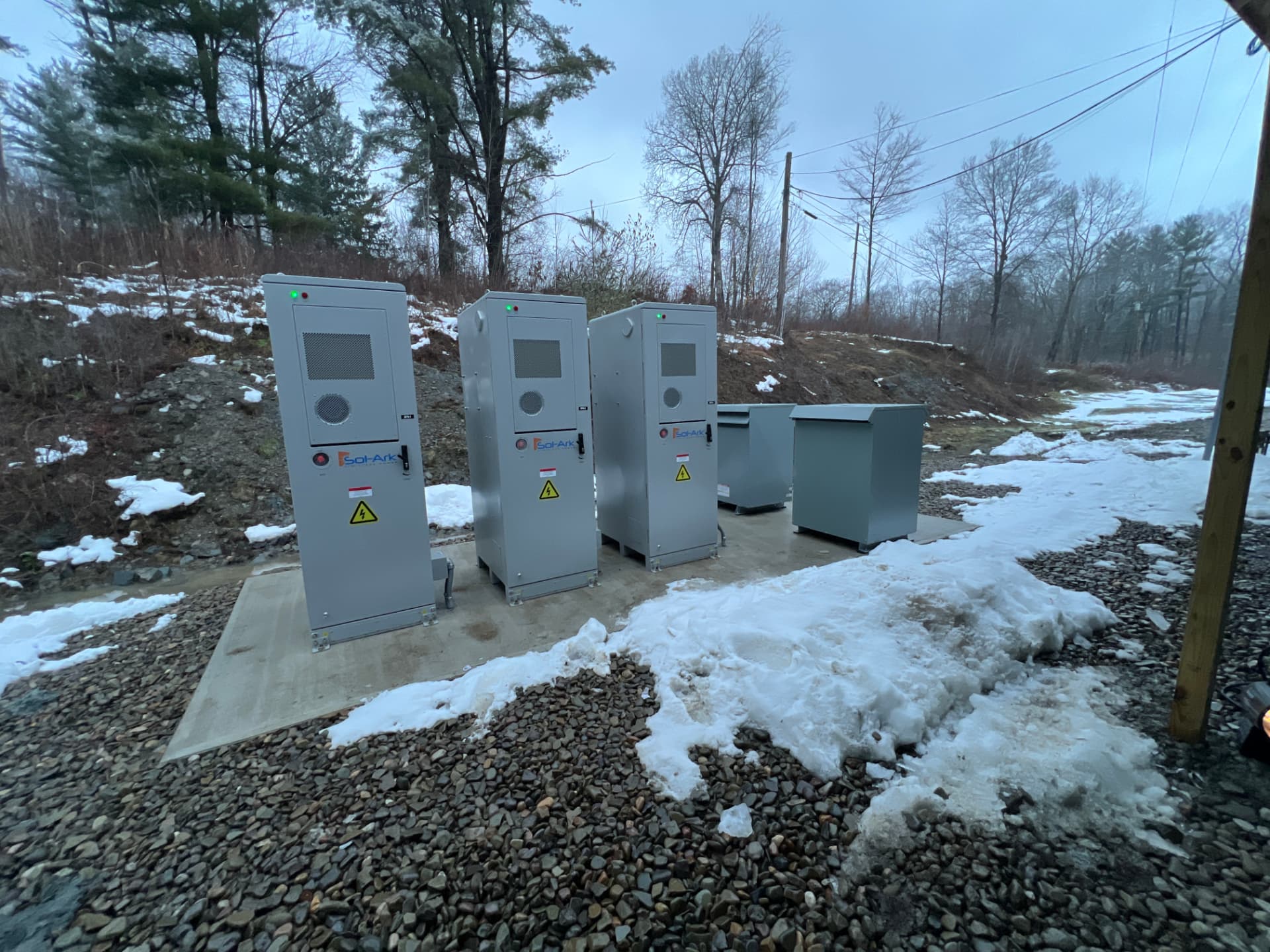
Analyze demand and rates
We review interval usage, peak kW, operating schedules and utility demand charges. Monthly kWh totals alone do not establish peak demand or the battery's demand-reduction potential.
Size and coordinate the system
We assess battery discharge power in kW, usable storage in kWh, peak duration, recharge windows and integration with solar and electrical service, coordinating engineering as required.
Balance savings and resilience
We compare dispatch strategies and estimated peak kW reduction while reserving energy for critical loads. Backup autonomy, battery cycling and rate assumptions are included in the trade-offs.
Ready for real numbers?
Share your utility bill and panel photos — we'll prepare a formal quote.